Hail and storm damage
Hail Damage on Your Roof: What to Do Next
After a hailstorm you want to know three things: was your roof hit, is it worth a claim, and what do you do first. Hail damage usually isn’t a hole. It’s bruised shingles that look fine from the street and wear out years early. Start with the first 48 hours below, and get a free inspection before you sign anything.
The First 48 Hours
- Photograph the hail if you safely can, next to a coin or a ruler, and note the date and time. Those pictures lose value by the hour as the stones melt.
- Photograph the soft metals around the house: gutters, downspouts, the fins on the air conditioner, and anything parked outside. Dents there back up what’s on the roof.
- Deal with any leak from inside. Move belongings, put down a bucket, and call us. Don’t climb onto a wet roof yourself.
- Don’t sign anything on your doorstep. Storm crews start knocking within days. Get the roof looked at by someone local, with an office you can find, before you commit to anyone.
- Book an inspection. It’s free, and it tells you whether there’s damage worth claiming before you decide anything. Wondering whether it’ll be a repair or a new roof? Here’s how that gets decided.
Was Your Roof Actually Hit?
Probably not in a way you can see from the street. On asphalt shingles, hail leaves bruises: spots where the granules are knocked off and the mat underneath is cracked. The shingle stays on the roof and looks fine from the ground, which is why so many damaged roofs in this metro were never claimed at all. The damage shows up years later, as those exact spots wear through early.
The quickest clue is the soft metal. If your gutters, downspouts or roof vents are dented, the roof took hits too, and the size and pattern of the dents show how big the hail was.
What Hail Does to Your Kind of Roof
- Standard asphalt shingles. Dark spots where the granules are gone, soft bruises that give when pressed, and cracks in the mat underneath. From the street the roof usually looks fine.
- Impact-resistant (Class 4) shingles. Built to shrug off ordinary hail, but not hail-proof. Big stones still bruise and crack them, and the damage is subtler, so they need a closer look, not a quicker one.
- Metal roofs. Dents, and sometimes chipped coating where a stone hit. Whether a dent is only cosmetic or has damaged the panel or a seam matters a lot, and so does how your policy treats cosmetic damage.
- Concrete and clay tile. Cracked, chipped or broken tiles, which leave the underlayment beneath open to sun and water. Here’s how tile gets repaired.
- Wood shake. Fresh splits with clean, unweathered edges. That’s how you tell a hail split from ordinary aging.
- Everything around the roof. Gutters, downspouts, vents, window screens, siding and fence tops. One inspection should cover all of it, because one storm hit all of it.
How a Claim Usually Runs
Every policy is different, so read yours. But most replacement-cost claims on a Denver metro roof follow roughly the same path, and knowing it ahead of time takes a lot of the stress out:
- Inspection. We get on the roof and photograph what’s there, before you file anything.
- You report the claim to your insurance company, with the storm date.
- The adjuster’s visit. Your insurer sends an adjuster to look at the roof. We meet them there with our photographs.
- The scope and the first check. Your insurer sends a written list of the damage and, on many policies, a first payment that holds back part of the value (often called depreciation) until the work is done.
- Anything found during tear-off. Rotten decking or other damage that couldn’t be seen until the old roof was off gets documented and sent to your insurer as a supplement.
- The new roof goes on, and once it’s finished and you’re satisfied, the final invoice lets your insurer release the held-back amount. Your deductible is always yours to pay.
What We Do, and What We Don’t
We inspect your roof and photograph its condition, whether or not you end up filing. If there’s damage, we write it up in the line-item format your insurance company already uses, and we meet your adjuster on the roof with it in hand. You get a copy.
What we don’t do is negotiate, adjust or settle your claim. In Colorado that’s the work of a licensed public adjuster, and a roofing contractor is not allowed to do it for you. So if a roofer offers to "handle your claim" or "fight your insurance company," they’re offering something they can’t legally provide. How we document a claim goes through it step by step.
Your Deductible Is Yours to Pay
Under Colorado law, a roofer can’t pay, waive, rebate or absorb any part of your deductible, or offer to. If someone offers to "eat the deductible" or write the invoice high enough to cover it, they’re proposing insurance fraud with your name on the claim. We won’t do it, and we’d treat the offer from anyone else as a reason to get them off your property.
Storm Chasers
After every big hailstorm, out-of-state crews knock on every door in the hit neighborhoods, sign as many contracts as they can, hand the work to subcontractors, and leave before anyone finds out what a warranty from a company with no local address is worth.
The test is simple: ask where their office is, ask for a certificate of insurance, and ask who will answer the phone in four years. We’re on West Littleton Boulevard, and we were here before the storm.
Don’t Wait Too Long to Find Out
Policies limit how long after a storm you can file, and most people don’t notice hail damage the day it happens. If a storm from a past season may have hit your roof, that clock is already running. A free inspection now costs you nothing and settles it.
What You Get, on Every Job
- Materials
- Limited Lifetime manufacturer warranty on shinglesManufacturer's terms and conditions apply.
- Workmanship
- 10-year written labor warrantyProvided directly by Colorado Roofing and Remodeling.
Examples of Our Work
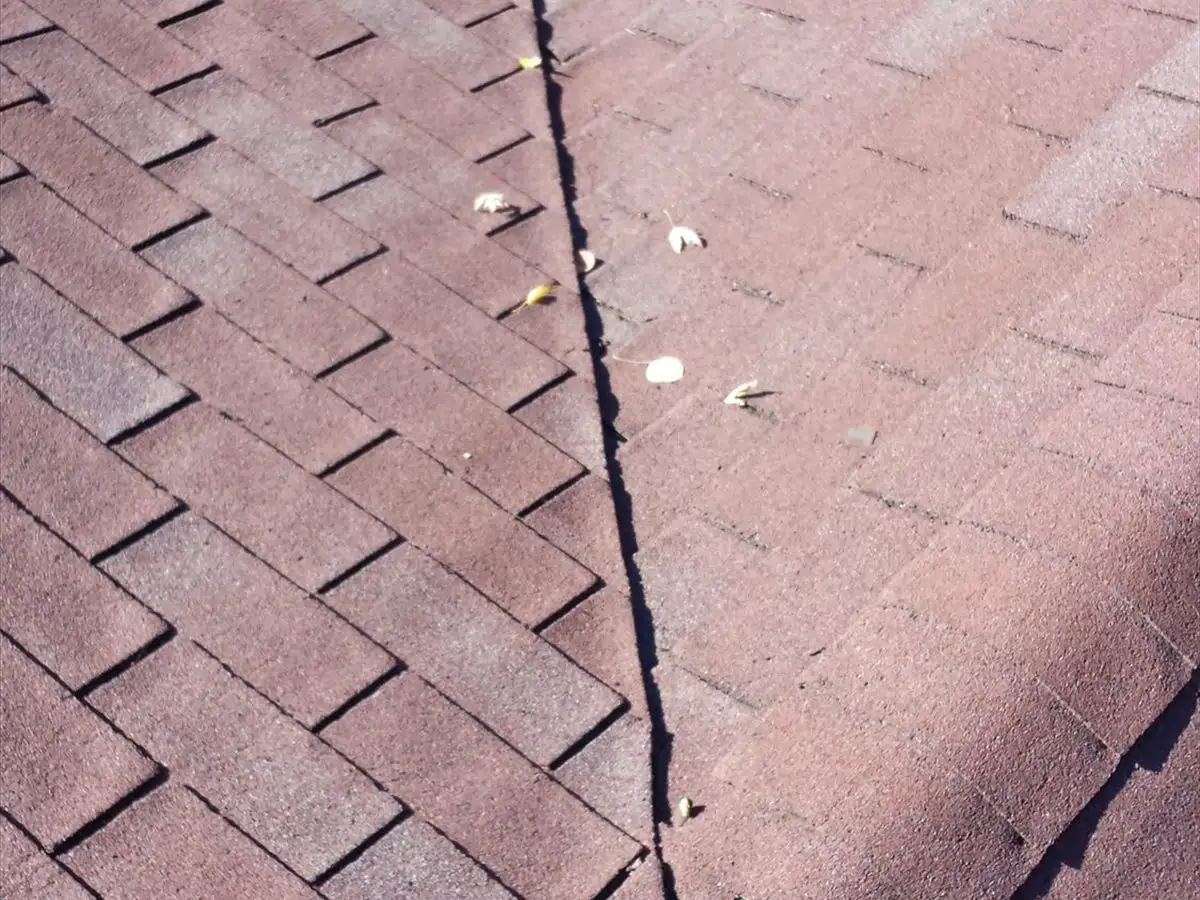
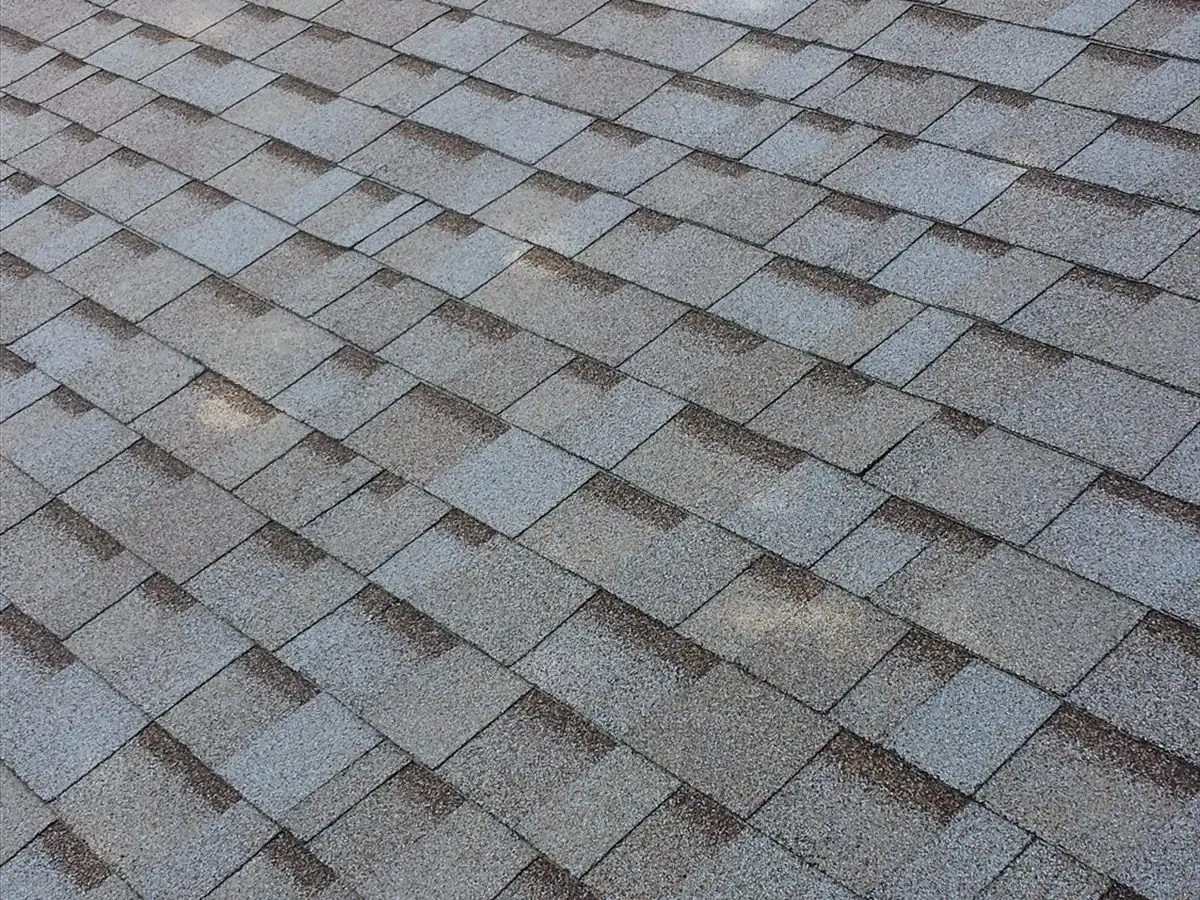
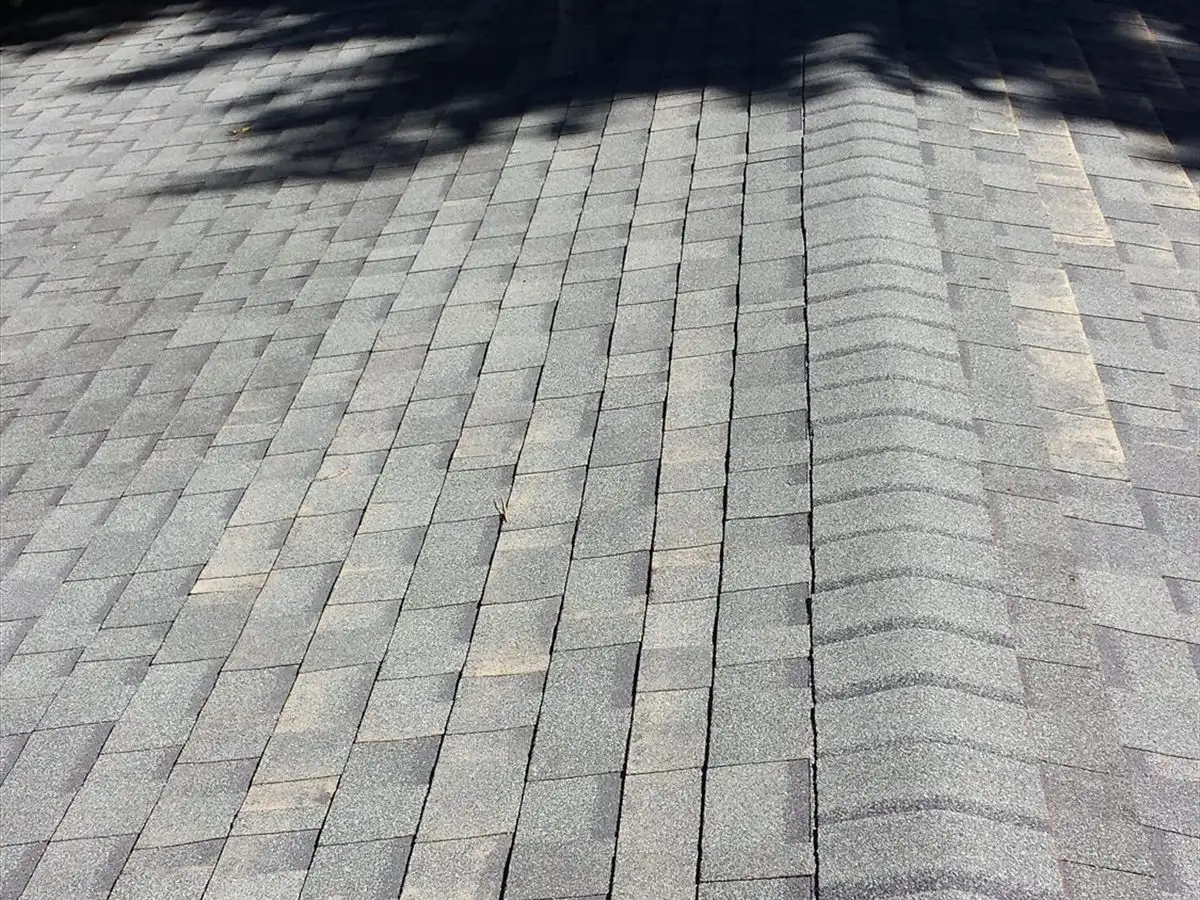
Questions About Hail & Storm Damage
Will filing a claim raise my premium?
That’s between you and your insurance company, and we won’t pretend to know your policy. What we can tell you honestly is whether you have damage worth claiming, so your decision is an informed one rather than a guess.
What if you inspect and there’s no damage?
Then we tell you that, and you’ve lost nothing. We’d rather give you a clean answer than talk you into a claim that gets denied.
Why did my insurer pay only part of the claim at first?
On many replacement-cost policies the first check holds back part of the value, usually called depreciation, until the work is finished. The rest is released once your insurer gets the final invoice. Your policy and your insurer’s letter spell out exactly how yours works.
Should I replace my roof with impact-resistant shingles?
Here, they’re worth pricing. A Class 4 shingle resists ordinary hail far better than a standard one, though no shingle is hail-proof. They cost more, and some insurers offer a discount for them, so ask yours. We’ll price both side by side.
Can hail damage show up years later?
The damage happens during the storm, but it often only shows later, as the bruised spots lose granules and wear through early. That’s why an inspection soon after a storm is worth more than one years afterward.
Will someone from your company be there when the adjuster comes?
Yes. We meet your adjuster on the roof with our photographs and write-up in hand, and we’re there for the city inspections too. That’s the part most homeowners are left to handle alone, and it’s where a claim quietly comes up short. We document and we show up; we don’t negotiate the claim for you, because in Colorado that’s a licensed public adjuster’s job, not a roofer’s.
Hail & Storm Damage
Request a Free Inspection
We’ll photograph what we find and give you a straight answer, even when that answer is that your roof is fine and you should call us in a few years.
Other Services
- Roof ReplacementFull tear-off and replacement, with the price agreed in writing before we start.
- Roof RepairLeaks, wind-lifted shingles and failed flashing, repaired rather than upsold.
- Roof InspectionA free inspection with photographs, and a straight answer either way.
- Siding RepairHail-cracked, dented or wind-loosened siding repaired a section at a time, matched to the wall.
- Roof & Chimney Flashing RepairLeaks at chimneys, walls, skylights and vents fixed at the flashing, without replacing the roof.
- Tile Roof RepairCracked, slipped or hail-damaged concrete and clay tile repaired, with the underlayment checked underneath.
- Interior RemodelingInterior work and leak-damage repair, priced in writing, with no money up front.