Seasonal guide
Getting Your Roof Ready for a Colorado Winter
Winter here is not one long freeze. It is sun, snow, melt and refreeze, sometimes in the same week, with wind on top. That cycle finds every weak spot on a roof. Fall is the time to find them first.
Why Front Range Winters Are Hard on Roofs
Snow on a Denver metro roof rarely sits still. A sunny afternoon melts it, the water runs into every seam and gap, and it freezes again overnight. Water expands when it freezes, so a small opening at a flashing or a cracked pipe boot gets a little bigger each cycle. By spring, a gap you could not see in October can be a leak.
Wind is the other half. Strong downslope winds come off the foothills in winter, and they lift shingles whose seal strips have weakened with age. A shingle that has been lifted once no longer seals, and the next storm takes it.
A Fall Checklist
- Flashing at chimneys, walls and skylights: look for gaps, lifted edges or rust. This is where most winter leaks start.
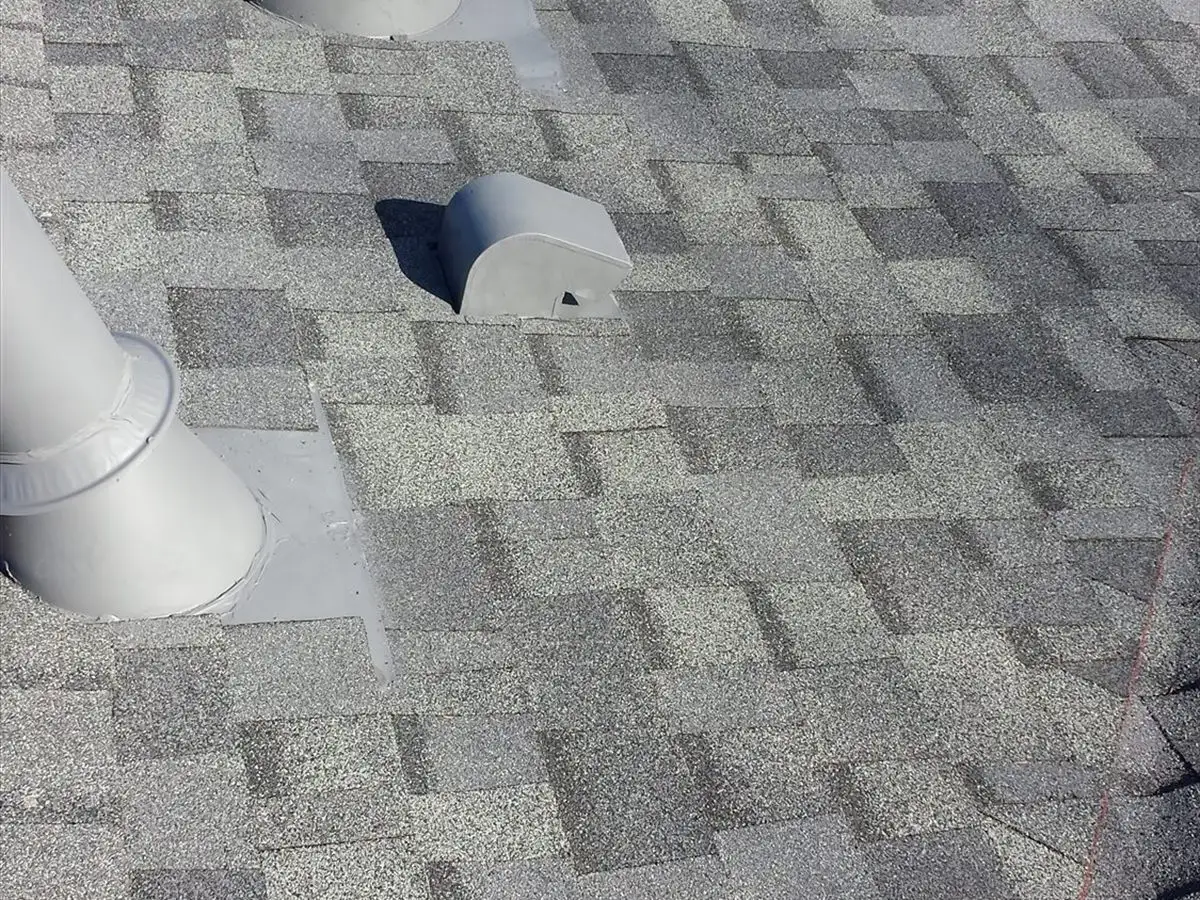
- Pipe boots around plumbing vents: the rubber collar cracks in the sun after some years, and it is a cheap part that causes expensive water damage.
- Missing, lifted or creased shingles, especially along ridges, edges and the side of the roof facing the prevailing wind.
- Gutters and downspouts: clear the leaves so melt water has somewhere to go. A packed gutter holds water right at the roof edge, where it freezes.
- Branches over the roof: trim anything that rubs the shingles or could drop under a load of wet snow.
- The attic: on a cold day, look for frost on the underside of the roof deck, damp insulation or stains. All three point to warm, moist air getting where it should not.
Ice Dams, and Why They Start in the Attic
An ice dam is a ridge of ice along the roof edge that holds back melt water behind it. The water pools, backs up under the shingles, and comes through the ceiling or down the inside of an exterior wall.
The cause is usually heat, not the weather. Warm air from the house leaks into the attic, warms the roof deck, and melts the snow from underneath. The water runs down to the cold eave and freezes there. Better attic insulation, sealing the gaps where house air leaks into the attic, and proper roof ventilation keep the deck cold and stop the cycle at its source.
On a new roof, ice and water shield at the eaves is the backstop: a waterproof membrane under the shingles where ice dams form. We install it on every roof replacement. On an existing roof, if you have had ice dams before, have the attic and ventilation looked at before winter rather than chipping ice in January.
What Can Wait Until Spring, and What Cannot
Worn but intact shingles on an otherwise sound roof can usually wait for spring. Winter is a poor time for a full replacement anyway: shingles need warmth to seal properly, and short cold days leave little working time.
What should not wait is anything that already lets water in: a lifted flashing, a cracked pipe boot, missing shingles, or stains that have appeared since last winter. Those are small repairs in October and a ceiling, insulation and drywall job in March.
Stay Off an Icy Roof
Please do not climb onto the roof to clear snow or chip ice. It is the most dangerous job around a house in winter, and chipping at ice breaks shingles. If you see water coming in, call; we would much rather come out than have you on a ladder.
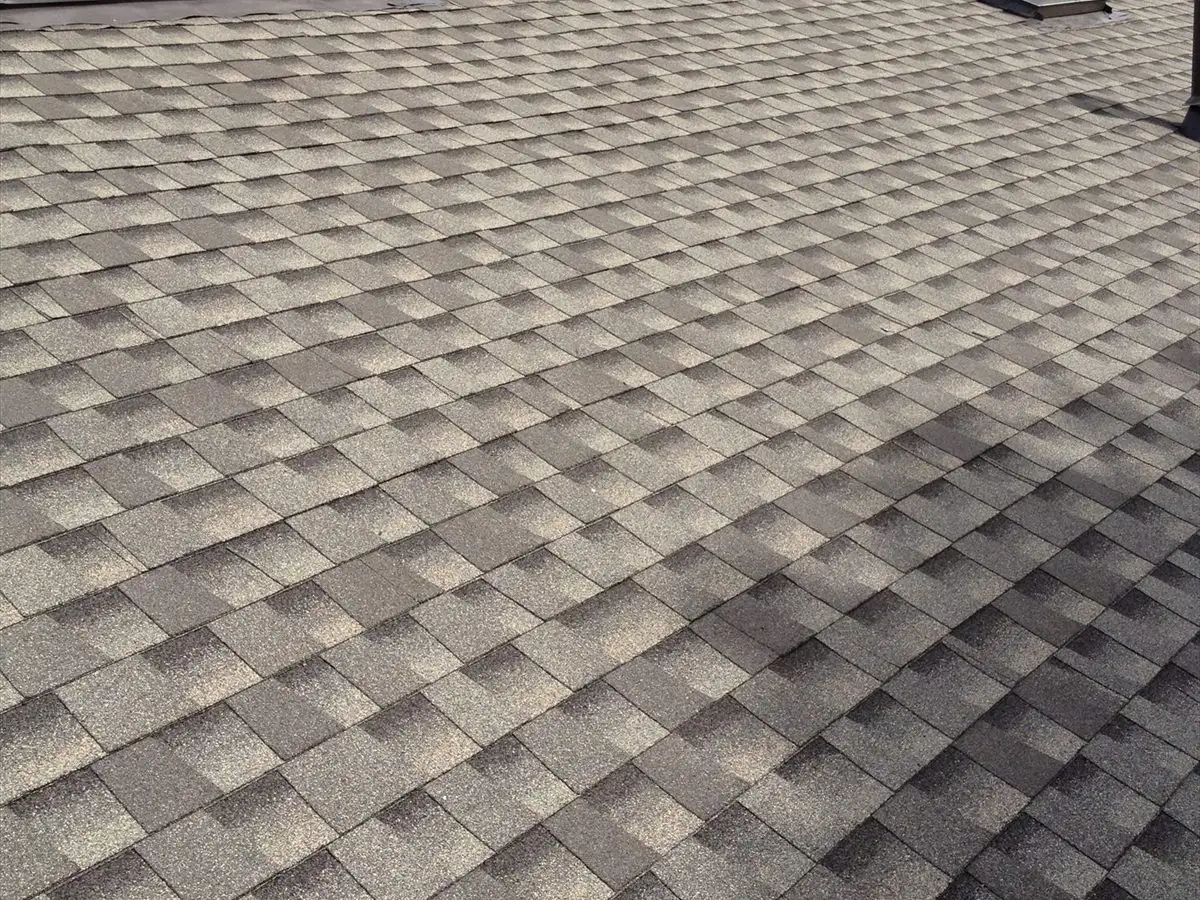
If you are not sure what shape your roof is in, a free inspection before the first real storm is the simplest way to find out. We will photograph what we find and tell you what needs doing now, what can wait, and what is fine.
From Our Own Jobs
Common Questions
Can you replace a roof in winter in Colorado?
It can be done on mild days, and emergency work cannot wait. For planned replacements we generally prefer warmer weather, because shingles need warmth to seal well and cold, short days make for long jobs.
What causes ice dams on my roof?
Usually heat escaping into the attic. It warms the roof deck, melts snow from underneath, and the water refreezes at the cold roof edge. Attic insulation, air sealing and ventilation address the cause; ice and water shield at the eaves protects against leaks when a dam does form.
Should I remove snow from my roof?
For most homes in the Denver metro, no. Snow usually melts off within days, and climbing onto a snowy roof is dangerous and damages shingles. If you see water coming inside, or an unusual amount of snow on a low-slope or older roof, call rather than going up yourself.
Want a Straight Answer About Your Roof?
A free inspection with photographs of what we find, and an honest answer, including when that answer is that your roof is fine for now.
Related Services
- Roof InspectionA free inspection with photographs, and a straight answer either way.
- Roof RepairLeaks, wind-lifted shingles and failed flashing, repaired rather than upsold.
- Roof ReplacementFull tear-off and replacement, with the price agreed in writing before we start.
- Hail & Storm DamageFront Range hail and wind damage, documented the way your carrier reads it.