Flashing repair
Roof and Chimney Flashing Repair: Where Most Leaks Start
A stain on the ceiling beside your chimney, or a damp spot under a skylight, usually isn’t a shingle problem. It’s the flashing, the metal that seals that joint. You usually don’t need a new roof to fix it, and caulk won’t hold it for long.
Is It Your Flashing? Look at Where the Water Shows Up
- Ceiling or wall right beside the chimney: usually the flashing where the chimney meets the roof.
- Water in the firebox or behind the fireplace: usually the chimney itself (the crown, the cap or the brick), not the roof. More on that below.
- A stain under a skylight: often the flashing around the skylight frame rather than the glass.
- A bathroom ceiling stain under a vent pipe: often a cracked rubber pipe boot, one of the first things to check.
- Stained or rotting siding below where a roof edge meets a wall: often a missing kick-out flashing.
Look Where the Metal Meets the Brick
A chimney moves differently from the roof around it, so it’s flashed in two layers. The base flashing sits on the roof: one piece across the bottom and small overlapping step flashings up each side, woven into the shingles. The counterflashing (or cap flashing) is fastened to the chimney and laps down over the base flashing, so water running down the brick lands on top of it.
Here’s the part you can check from the ground with binoculars: the top edge of that counterflashing should be cut into a mortar joint. The American Society of Home Inspectors notes it often isn’t, and that a caulked joint there is a temporary fix that needs ongoing maintenance. If you see a thick bead of sealant holding the metal to the brick, that’s the likely source of your leak.
If Your Chimney Is Wide, Look Behind It
On the uphill side of a wide chimney there should be a cricket (or saddle): a small peaked roof that splits water and snow around the brick instead of letting it pile up. The residential code requires one when a chimney is more than 30 inches wide, measured along the ridge, and doesn’t sit on the ridge itself.
On a Front Range roof that’s not a technicality. Without a cricket, snow drifts and melts against the back of the chimney for days, and that joint becomes a common source of slow leaks that only show up in winter.
Where Your Roof Runs Into a Wall
Wherever a roof meets a sidewall, the code calls for step or continuous flashing at least 4 inches up the wall and 4 inches onto the roof, tucked behind the siding, so water ends up on the roof or in the gutter.
At the bottom of that wall, where the roof edge stops against the siding, the code requires a kick-out flashing to throw the water away from the wall. Without one, water runs down behind the siding instead of into the gutter, which is why a missing kick-out shows up as rotted siding and stained walls below the roofline. If you’re in Douglas County and getting a new roof, the county’s re-roof detail says the kick-out has to stand at least 1 inch above the shingles.
Skylights, Vents and Pipe Boots
Every hole in a roof needs its own flashing. Skylights have a flashing kit around the frame. Plumbing vents have rubber pipe boots that crack and split with age and sun. Roof vents have a metal flange under the shingles. A cracked pipe boot is a cheap part that causes an expensive amount of damage, so if a stain appears in a bathroom ceiling, start there.
Chimney Problem or Roof Problem?
Not every chimney leak is a flashing leak. A cracked crown on top of the chimney, a missing cap, or porous brick and mortar can all let water into the chimney itself, and freeze-thaw cycles widen those cracks every winter. The Chimney Safety Institute of America points to a chimney cap as the least expensive way to keep water out of the flue.
If the problem turns out to be the crown or the brick, that’s masonry work, and we’ll tell you so rather than sell you flashing you don’t need.
Repair Now, or New Flashing With a New Roof?
On a roof with years left in it, a flashing repair is usually the right call: the shingles along the joint are lifted, the old flashing comes out, and new flashing goes in, woven back into the shingles. On an old, brittle roof, lifting shingles can break them, so the repair may grow into a small section.
If your roof is near the end of its life anyway, new flashing belongs in the replacement, and reusing old step flashing is a false economy. Hail can also dent flashing and chimney caps, which is part of our hail inspection. Either way: an exact written price before work starts, and no money up front.
Examples of Our Work
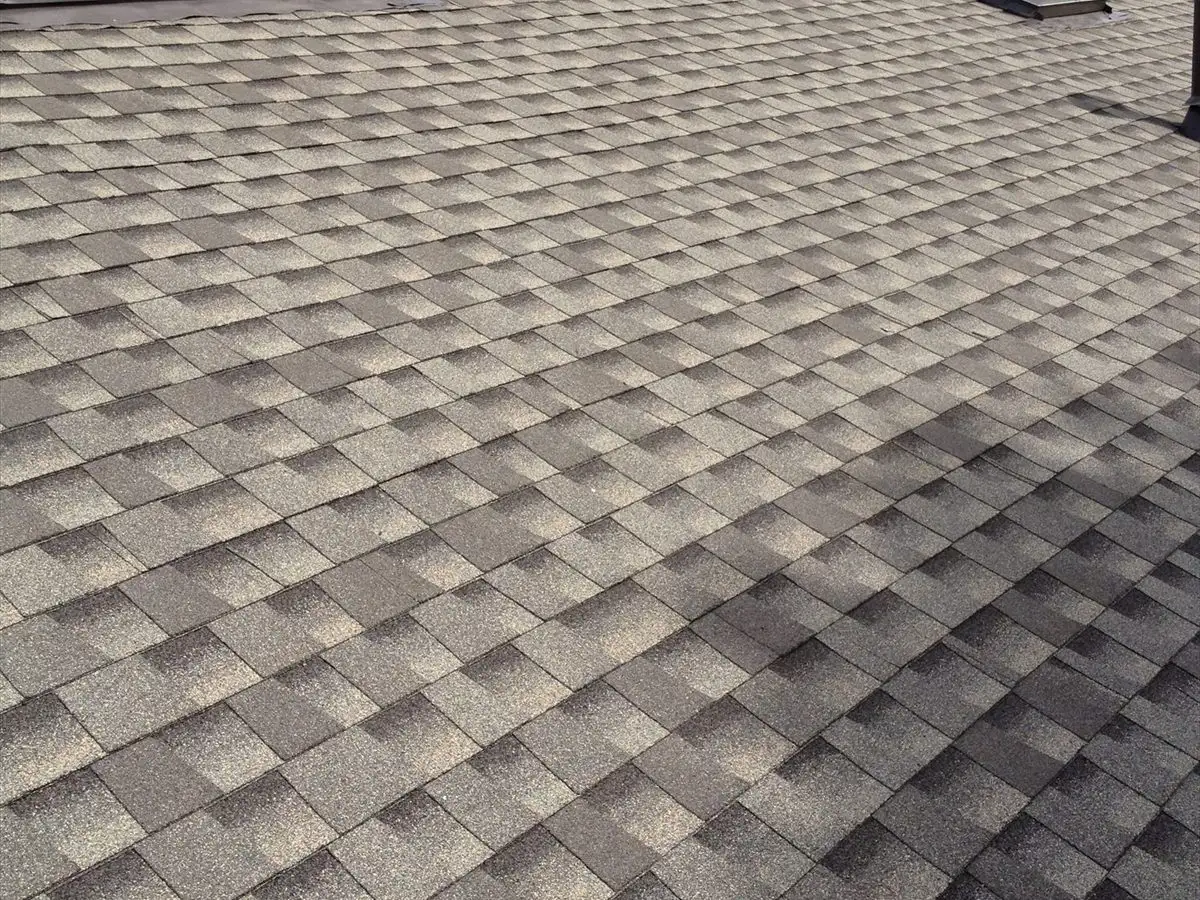
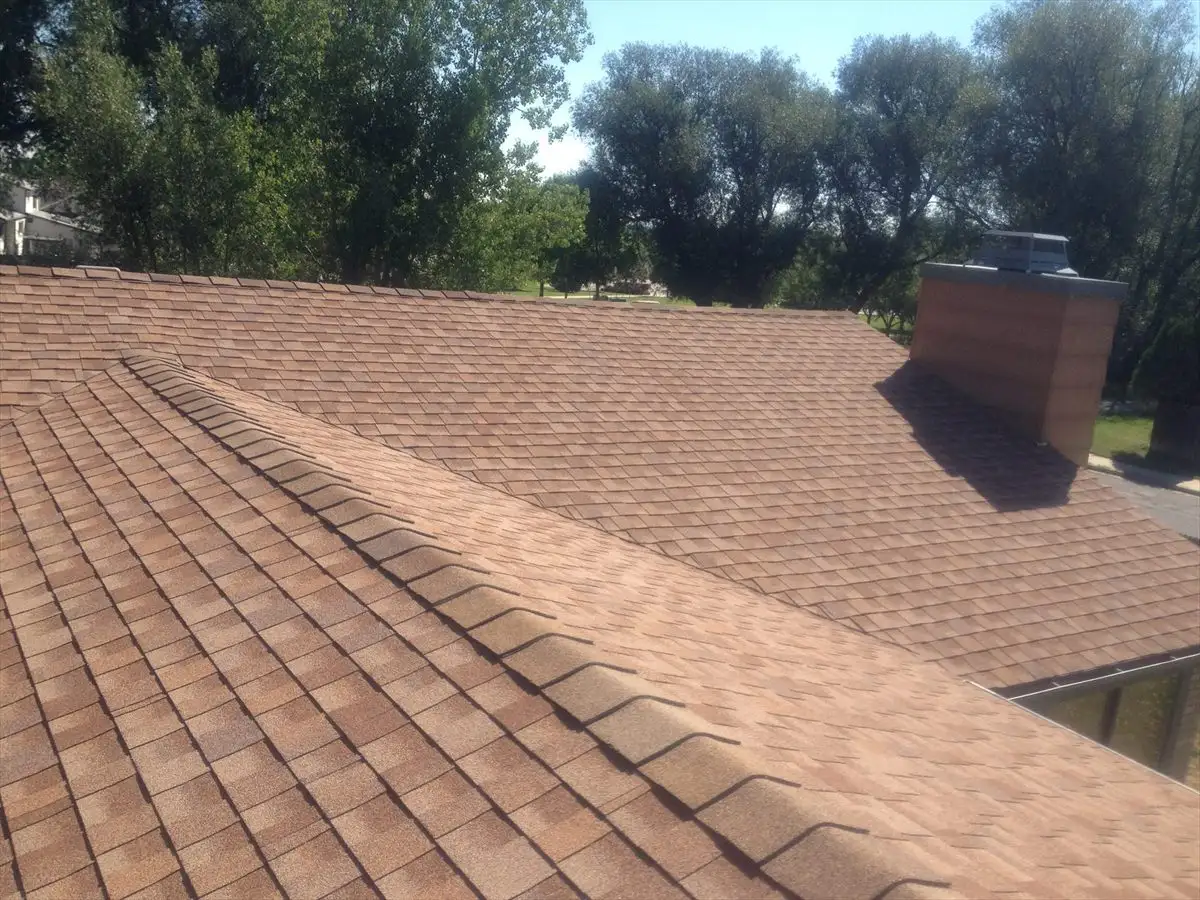
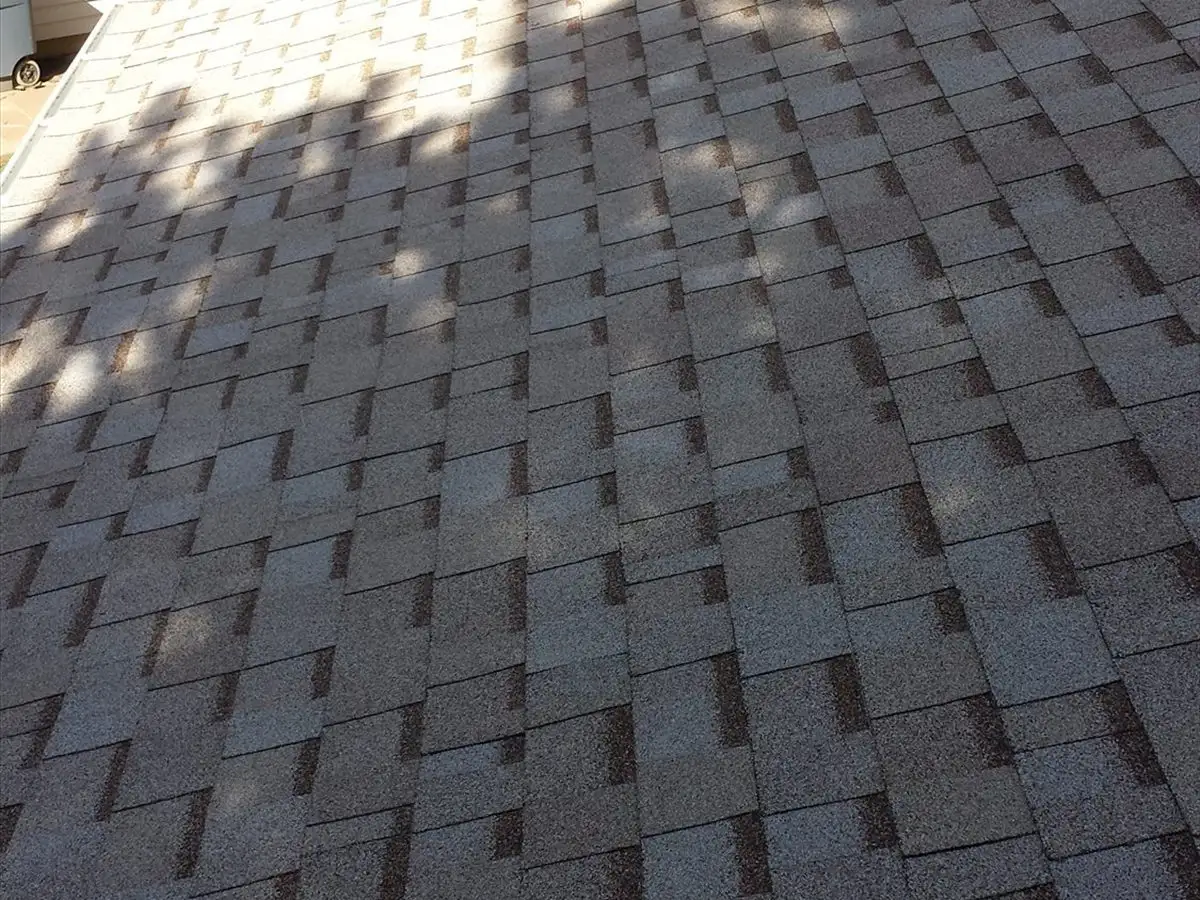
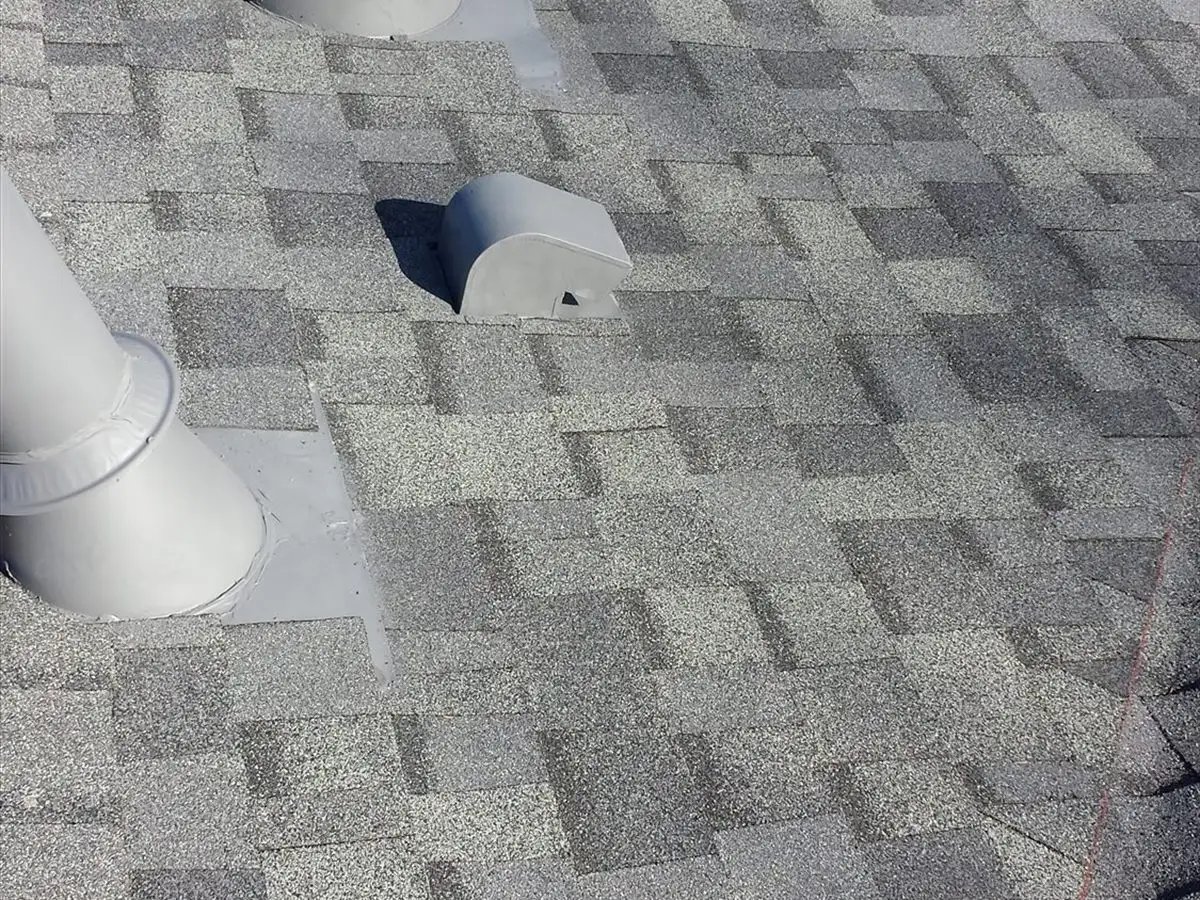
See More of Our Completed Roofs
Sources
- American Society of Home Inspectors, Chimney Flashings: base, step and counterflashing; caulked cap flashing as a temporary fix; crickets on wide chimneys
- International Code Council, 2021 IRC Section R1003.20, Chimney Crickets: crickets required on chimneys more than 30 inches wide that do not intersect the ridge
- International Code Council, 2021 IRC Section R903.2, Flashing: flashing locations, including the kick-out where an eave meets a sidewall (R903.2.1)
- International Code Council, 2021 IRC Section R905.2.8, Flashing (asphalt shingles): sidewall step or continuous flashing, 4 by 4 inches minimum (R905.2.8.3)
- Douglas County, Kick-out Flashing for Re-Roofing Detail (2015): kick-out must extend at least 1 inch above the shingle surface on re-roofs
- Fire Engineering, Water Causes More Chimney Damage Than Fires: Chimney Safety Institute of America guidance on water damage and chimney caps
Questions About Roof & Chimney Flashing Repair
Can flashing be fixed without replacing the roof?
Usually, yes. The shingles along the joint are lifted, the failed flashing is replaced, and the shingles go back down. The exception is a roof so brittle that the shingles break when they’re lifted; then the repair may need a small section of new shingles too.
Is caulking the chimney flashing a real fix?
Not a lasting one. Home inspectors treat a caulked joint at the top of chimney flashing as a temporary fix that needs ongoing maintenance. The lasting fix is counterflashing set into a mortar joint.
Who fixes a leaking chimney, a roofer or a chimney sweep?
It depends where the water gets in. Flashing where the chimney meets the roof is roofing work. A cracked crown, missing cap or crumbling brick is chimney or masonry work. A good first inspection tells you which, before anyone starts.
Does my chimney need a cricket?
Under the residential code, yes if it’s more than 30 inches wide (measured along the ridge) and doesn’t sit on the ridge. Smaller chimneys can still benefit from one where snow builds up behind them.
Roof & Chimney Flashing Repair
Request a Free Inspection
We’ll photograph what we find and give you a straight answer, even when that answer is that nothing needs replacing yet.
Other Services
- Roof ReplacementFull tear-off and replacement, with the price agreed in writing before we start.
- Roof RepairLeaks, wind-lifted shingles and failed flashing, repaired rather than upsold.
- Hail & Storm DamageFront Range hail and wind damage, documented the way your carrier reads it.
- Roof InspectionA free inspection with photographs, and a straight answer either way.
- Siding RepairHail-cracked, dented or wind-loosened siding repaired a section at a time, matched to the wall.
- Tile Roof RepairCracked, slipped or hail-damaged concrete and clay tile repaired, with the underlayment checked underneath.
- Interior RemodelingInterior work and leak-damage repair, priced in writing, with no money up front.