Homeowner guide
Signs You Need a New Roof, and Signs You Do Not
Most roofs do not fail all at once. They send signals for years first. Here is what those signals look like, which ones mean replacement, and which ones a repair will handle for a fraction of the cost.
Start With the Age of the Roof
Age is not a verdict on its own, but it frames everything else. An asphalt shingle roof in its first ten years that shows a problem usually has an installation or storm problem, and that is often a repair. A roof past twenty years that shows the same problem is more often telling you it is near the end.
On the Front Range, age is only half the story. Strong sun at altitude dries shingles out faster, and hail can take years off a roof in one afternoon. A fifteen-year-old roof that has been through two serious hail seasons can be in worse shape than a twenty-five-year-old roof that was lucky. If you do not know when yours went on, the permit history for the address or the paperwork from when you bought the house usually says.
Eight Signs That Point Toward Replacement
- Granules in the gutters and at the downspouts. Some loss is normal on a new roof. Steady handfuls on an older one mean the protective layer is wearing off and the asphalt underneath is exposed to the sun.
- Curling or cupping shingles. Edges turning up, or the middle of the shingle dishing down, means the shingles have dried out and lost their shape. They catch wind and let water under.
- Cracked or brittle shingles. If shingles crack when they are gently lifted, a repair crew cannot work on the roof without breaking more of it. That alone often decides it.
- Bald patches and dark streaks where granules are gone, especially spread across several slopes rather than in one spot.
- Hail bruising across the roof. Soft spots and fractured matting on many shingles, with dents in the gutters and vents to match. Read what hail damage actually looks like.
- Leaks in more than one place, or a roof that has been patched again and again. Each repair is fine; the pattern is the problem.
- Daylight or water stains in the attic. Look at the underside of the roof deck with a flashlight on a bright day. Dark rings, damp insulation or pinholes of light all mean water or air is getting through.
- A sagging roof line. A dip along the ridge or between rafters can mean the decking has soaked up water for a long time. That needs a look soon, not next season.
Signs That Usually Mean a Repair Instead
A single leak around a chimney, skylight or plumbing vent is almost always a flashing or pipe boot repair, even on an older roof. So is a patch of shingles lifted or torn off by a wind event when the rest of the roof is sound. Moss or dark algae streaks look bad but are rarely a reason to replace on their own in our dry climate.
The test is whether the problem is local or everywhere. Local problems get repaired. Problems that show up on every slope mean the roof itself is worn out, and money spent patching it is money you will spend twice.
What to Check Yourself, Safely
You do not need to get on the roof to see most of this, and you should not; a roof is a bad place to find out your footing is off. From the ground, binoculars will show curling, missing shingles and bare patches. From the attic, a flashlight shows stains and daylight. Your gutters show granule loss. Take photos of anything you find and note the date.
If more than one of the eight signs shows up, get the roof inspected before the next storm season rather than after it.
What an Inspection Should Tell You
A useful inspection ends with a clear answer: repair, replace, or leave it alone for now, and why. Ours is free, it includes photographs of what we found, and the answer is sometimes that your roof has years left in it. If it does need replacing, here is exactly what a replacement with us includes, and you get the price in writing before any work starts.
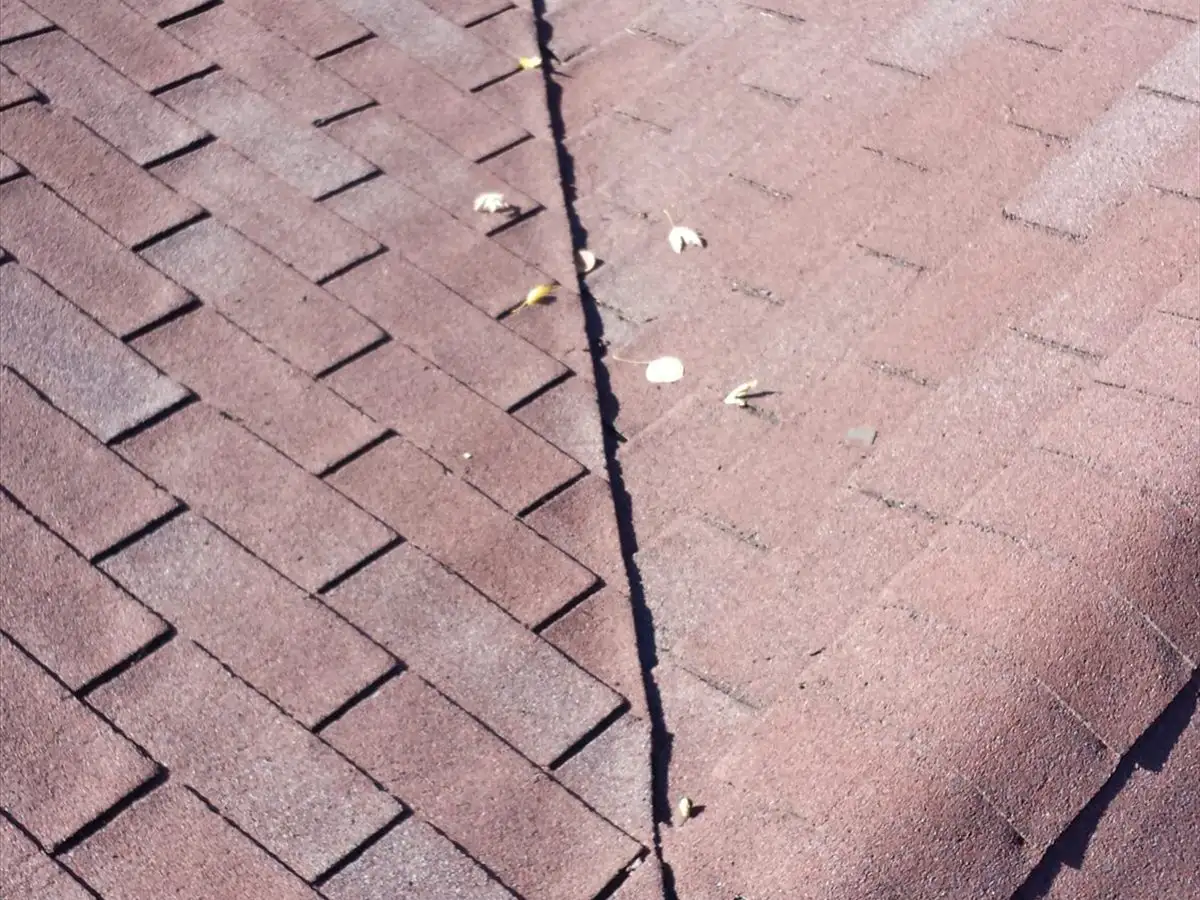
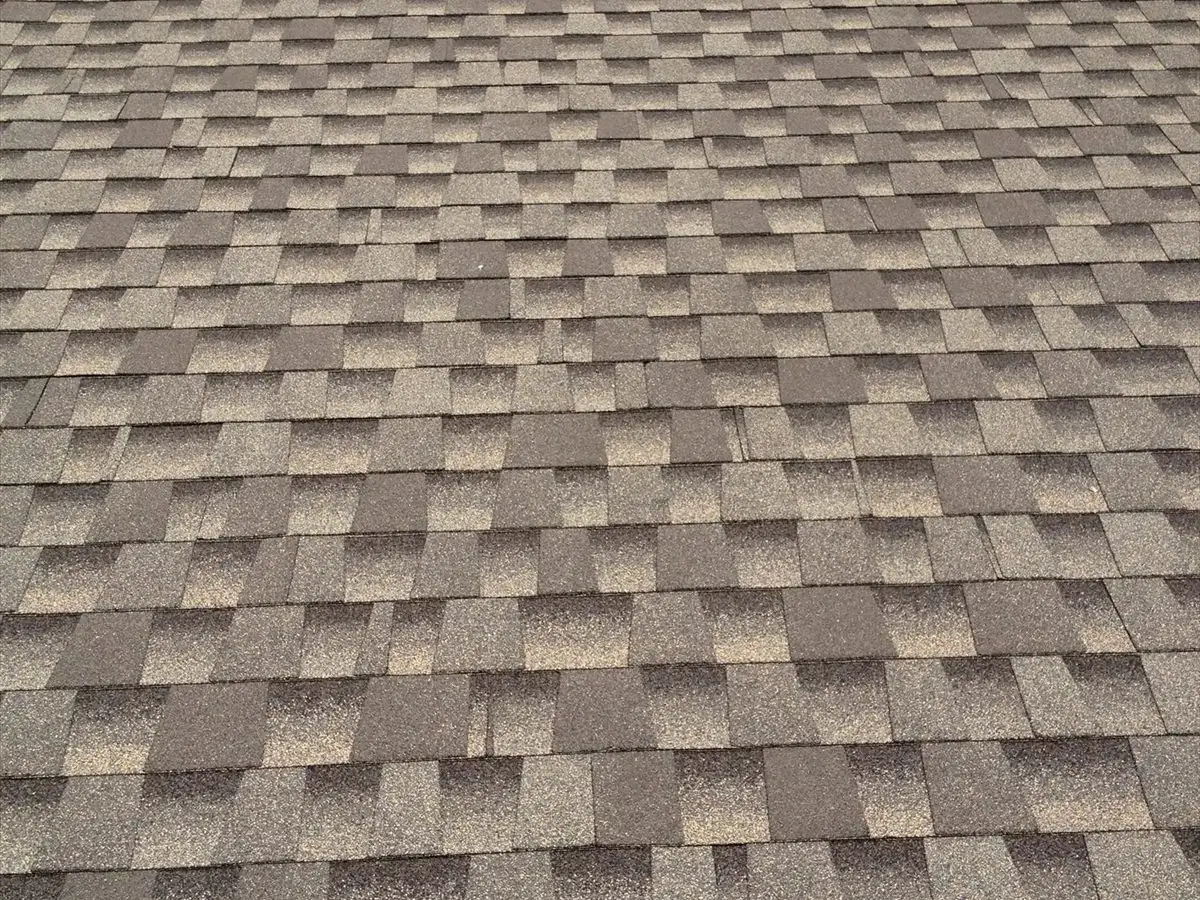
From Our Own Jobs
Common Questions
How long does an asphalt shingle roof last in Colorado?
It depends heavily on the shingle, the ventilation and, above all, the hail history. Plenty of roofs here are replaced well before the age printed on the shingle wrapper because hail took years off them. An inspection tells you where yours actually stands.
Can I put a new layer of shingles over the old roof?
Sometimes code allows a second layer, but we remove the old roof down to the decking. Layering hides the decking, adds weight, and usually shortens the life of the new shingles.
Is a leak always a sign I need a new roof?
No. Most leaks are at flashing, vents, valleys or skylights, and those are repairs. A leak only points to replacement when it comes with widespread wear, or when there are several of them.
Should I replace my roof before I sell my house?
Not automatically. A buyer's inspector will flag an old or damaged roof, so it helps to know its condition first. Sometimes a repair and a clean inspection report is the better choice; sometimes replacing it is. An inspection gives you the facts to decide.
Want a Straight Answer About Your Roof?
A free inspection with photographs of what we find, and an honest answer, including when that answer is that your roof is fine for now.
Related Services
- Roof InspectionA free inspection with photographs, and a straight answer either way.
- Roof ReplacementFull tear-off and replacement, with the price agreed in writing before we start.
- Roof RepairLeaks, wind-lifted shingles and failed flashing, repaired rather than upsold.
- Hail & Storm DamageFront Range hail and wind damage, documented the way your carrier reads it.