City and County of Denver
Roofing in Denver, Colorado
Denver proper has the widest range of roofs we touch, and the strictest permitting of anywhere we work.
What Denver Roofs Are Actually Like
From pre-war bungalows in Sunnyside and Berkeley to Park Hill foursquares to modern infill duplexes, there’s no single Denver roof. What’s consistent is the permitting: the City and County of Denver runs its own contractor licensing and inspections, separate from the surrounding counties, and enforces them.
Whoever you hire in Denver proper, ask for their City and County of Denver contractor license number and check that the permit is actually pulled and posted. An unpermitted roof is a problem that surfaces later, usually when you sell the house.
Areas We Work in Denver
- Sunnyside
- Berkeley
- Park Hill
- Washington Park
- Congress Park
- Highlands
What Your Part of Denver Means for Your Roof
- Sunnyside and Berkeley. Early twentieth-century bungalows on narrow lots, many with detached garages off the alley. Old board decking and more than one previous roof are the norm.
- Highlands. Victorians, bungalows and brand-new infill on the same block. The older houses have steep, cut-up roofs; the new ones often have flat sections and roof decks.
- Park Hill. Tudors and foursquares with steep gables, dormers and big brick chimneys. Steep roofs take longer and need more care, and the chimney flashing is usually the weak point.
- Washington Park. Bungalows, many with pop-tops and additions, which means a roof where new framing meets old.
- Congress Park. Brick foursquares and older homes under mature trees, with the leaf and branch wear that comes with them.
What Comes With an Old Denver Roof
- Steep pitches. Tudors and older gabled homes are slower and harder to work on safely, which is why they cost more per square than a ranch.
- Brick chimneys. Often the real source of a leak that’s been blamed on the shingles for years. New flashing, and a cricket behind a wide chimney so water can’t pond there, are part of doing your roof properly.
- Board decking. Common on pre-war houses. Some of it can stay; gaps and damaged boards need to be dealt with, and the cost of that is in your written price before we start.
- Low-slope porch and rear roofs. Shallow sections too flat for shingles that need a different material.
Pop-Tops and Infill
Where a second story has been added to a bungalow, the joint between the new roof and the old house is the part to watch. A lot of pop-top leaks are at the wall flashing where new meets old, not in the shingles at all.
Some modern infill homes are almost entirely flat or low-slope membrane roofs. That’s a different trade from shingle roofing. If yours is one of them, we’ll tell you honestly rather than quote work that isn’t our strength.
What You Get, in Denver or Anywhere Else We Work
- Materials
- Limited Lifetime manufacturer warranty on shinglesManufacturer's terms and conditions apply.
- Workmanship
- 10-year written labor warrantyProvided directly by Colorado Roofing and Remodeling.
- An exact written price before any work begins, including how deteriorated decking would be priced if we find it.
- No money up front. You pay when the job is finished and you are satisfied.
- The building permit is ordered, posted and paid for as part of the job, by whoever is licensed to pull it.
- Full cleanup of the yard and driveway.
- A lien waiver covering materials and labor.
What We Do in Denver
- Roof ReplacementFull tear-off and replacement, with the price agreed in writing before we start.
- Roof RepairLeaks, wind-lifted shingles and failed flashing, repaired rather than upsold.
- Hail & Storm DamageFront Range hail and wind damage, documented the way your carrier reads it.
- Roof InspectionA free inspection with photographs, and a straight answer either way.
- Siding RepairHail-cracked, dented or wind-loosened siding repaired a section at a time, matched to the wall.
- Roof & Chimney Flashing RepairLeaks at chimneys, walls, skylights and vents fixed at the flashing, without replacing the roof.
- Tile Roof RepairCracked, slipped or hail-damaged concrete and clay tile repaired, with the underlayment checked underneath.
- Interior RemodelingInterior work and leak-damage repair, priced in writing, with no money up front.
Examples of Our Work
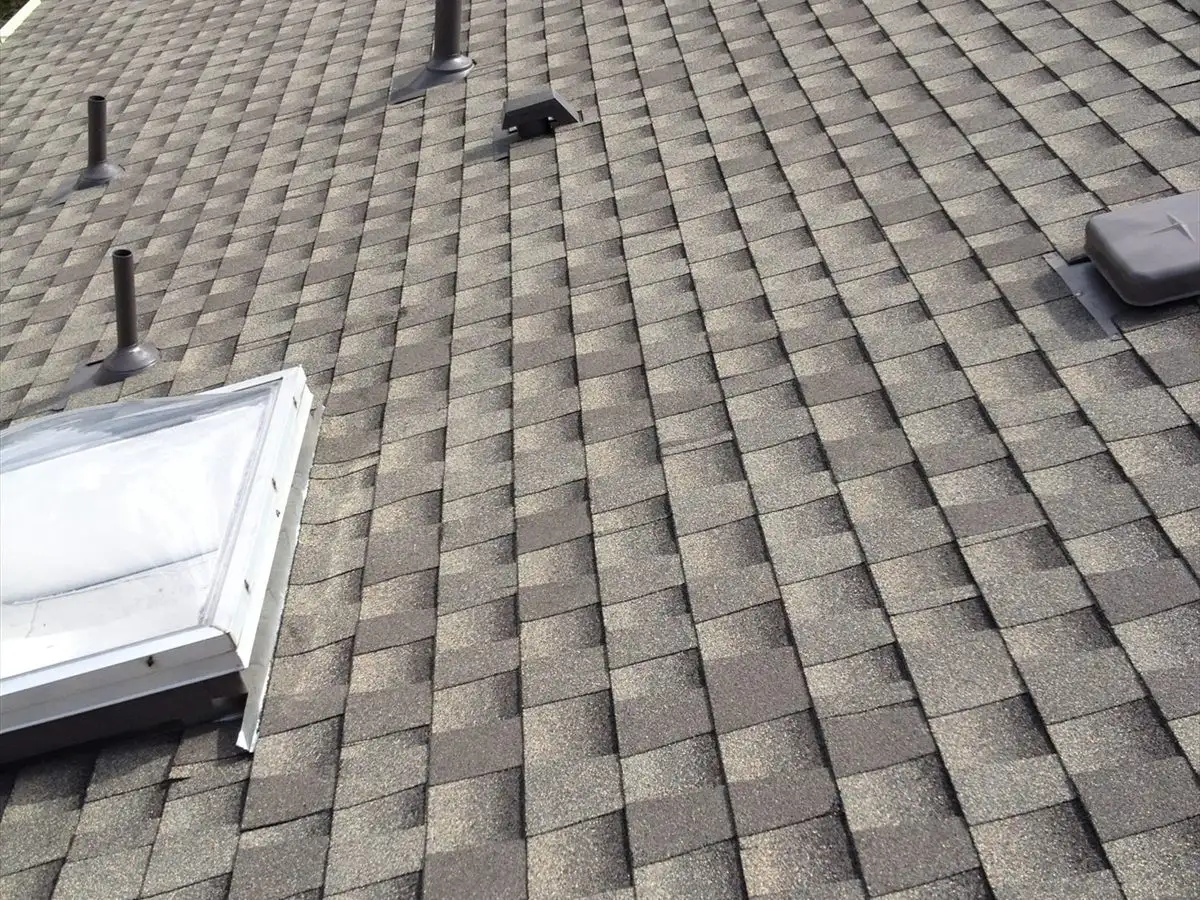
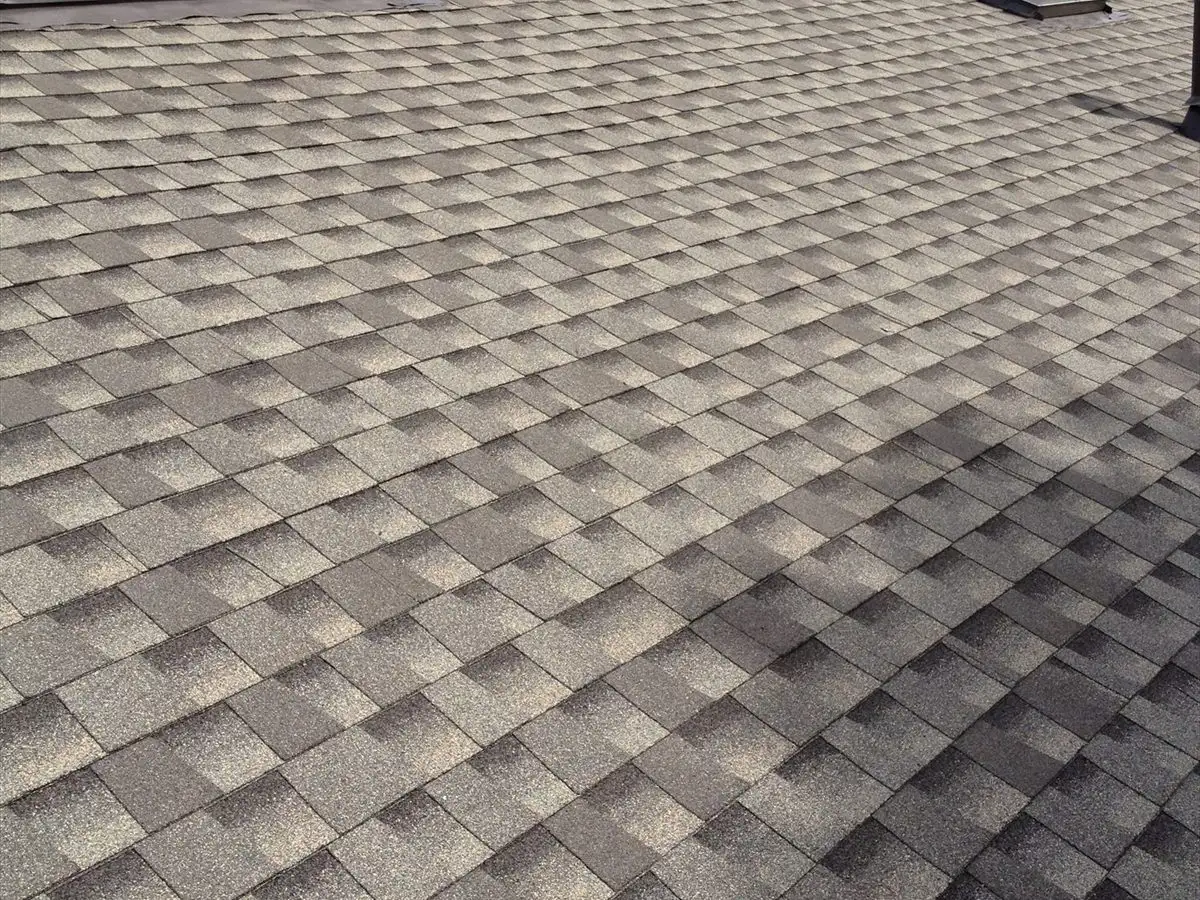
See More of Our Completed Roofs
Sources
- City and County of Denver, Roofing Guidelines and Checklist (PDF): when a roofing permit is needed, underlayment rules and the inspections Denver requires
Denver Roofing Questions
Why does a steep Park Hill roof cost more than a ranch roof?
Steep roofs take more time, more safety equipment and more care per square foot, and they usually have more dormers, valleys and chimney details too. The materials cost the same; the labor doesn’t.
My pop-top leaks where the new part meets the old house. Do I need a new roof?
Usually not. That kind of leak is almost always flashing at the wall joint, and it’s a repair. We’ll find the actual entry point, photograph it and quote the fix.
Can a new roof suit the look of an older Denver house?
Yes. Architectural shingles come in profiles and colors that sit well on a Tudor or a bungalow, and we bring physical samples so you can see them against your own brick or siding before you choose.
What should I ask any roofer quoting a job in Denver?
Ask for their City and County of Denver contractor license number, a current certificate of insurance and a written price. Then check that the permit is pulled and posted before work starts. An unpermitted roof is a problem that usually comes up when you sell the house.
Denver, Colorado
Request a Free Denver Roof Inspection
We’ll photograph what we find and give you a straight answer, even when that answer is that your roof is fine and you should call us in a few years.
We Also Serve
- LittletonArapahoe, Jefferson & Douglas Counties
- Highlands RanchDouglas County
- CentennialArapahoe County
- EnglewoodArapahoe County
- LakewoodJefferson County